Peptide
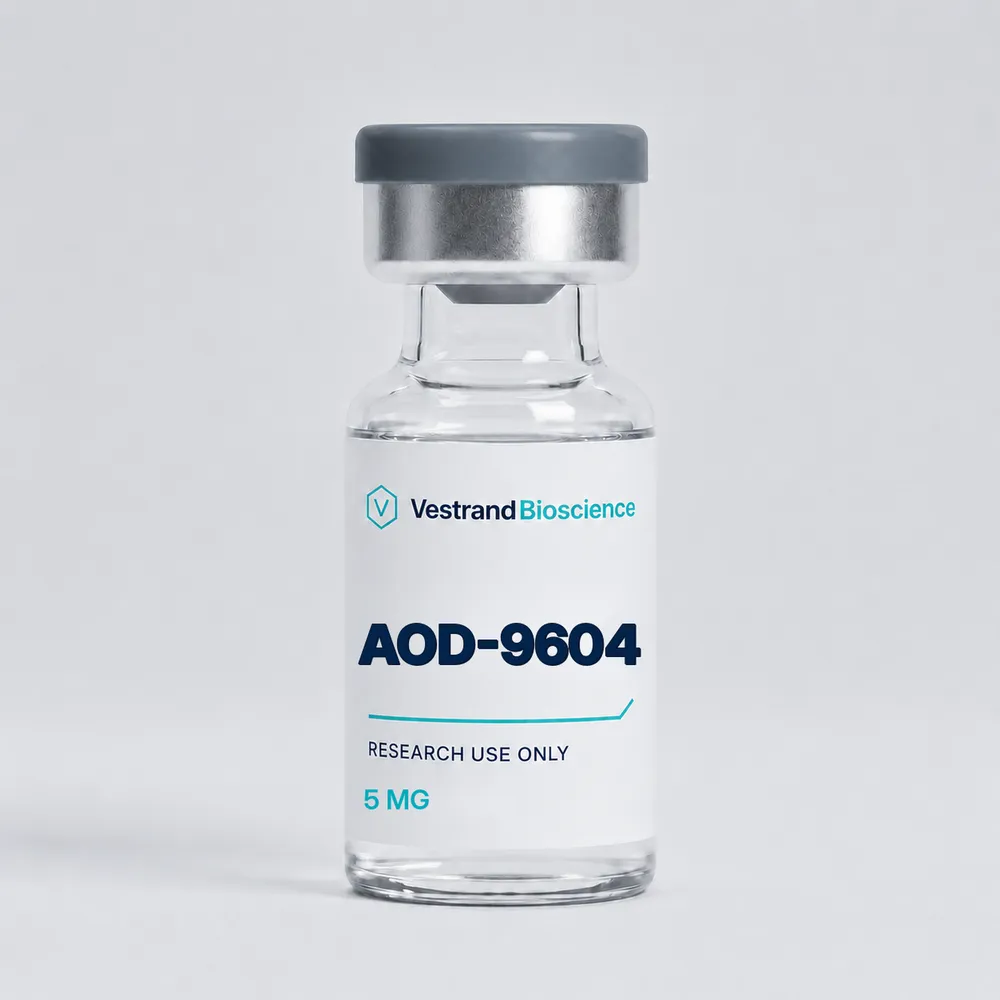
AOD-9604
A short synthetic peptide corresponding to a tail-end fragment of human growth hormone, with one extra building block added at the front.
- Specification
- greater than or equal to 99.93 percent
- Measured lot value
- No data currently
Third-party tested · certificate per lot
Every production lot is analyzed by an independent laboratory — purity by RP-HPLC, identity by mass spectrometry — and recorded on a certificate of analysis you can retrieve by its lot number. Where a lot has no published results, the page says so plainly — never a stand-in figure.
For laboratory research use only. Not for human or veterinary use.

A selection of compounds and reference materials from our catalog. Follow any card through to its full specification and per-lot certificate of analysis.

Peptide
A short synthetic peptide corresponding to a tail-end fragment of human growth hormone, with one extra building block added at the front.

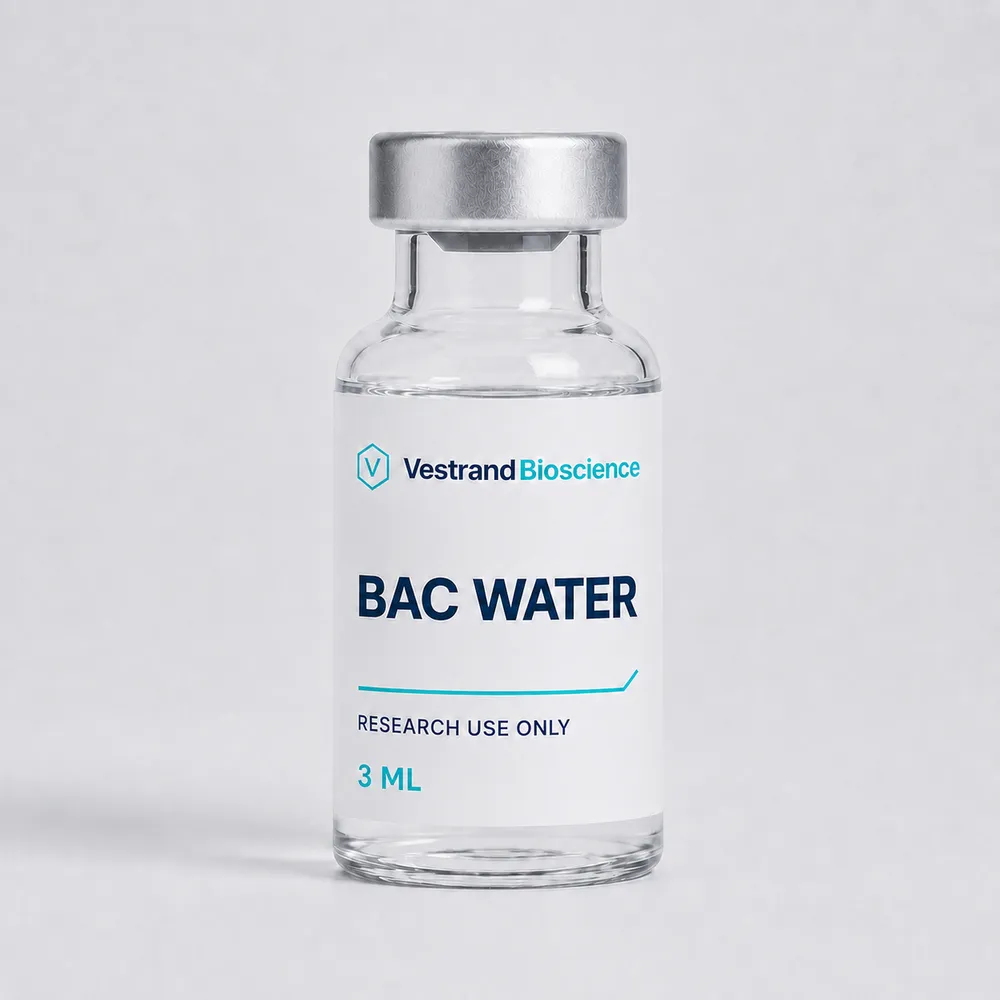
Laboratory supply
Sterile, nonpyrogenic water with benzyl alcohol added as a bacteriostatic preservative. A prepared reagent, not a compound, and unusually stored at room temperature.

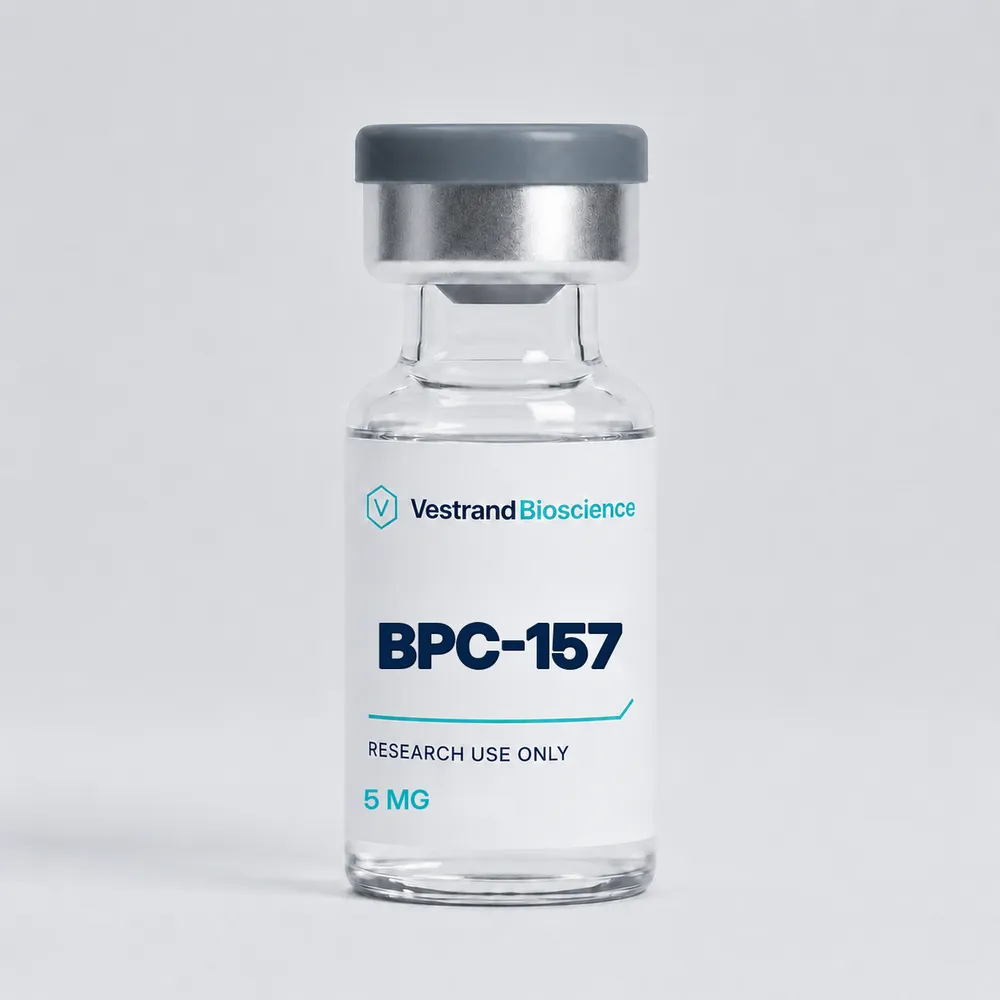
Peptide
A synthetic peptide of fifteen building blocks (a pentadecapeptide), based on a partial sequence of a protein first identified in gastric juice.

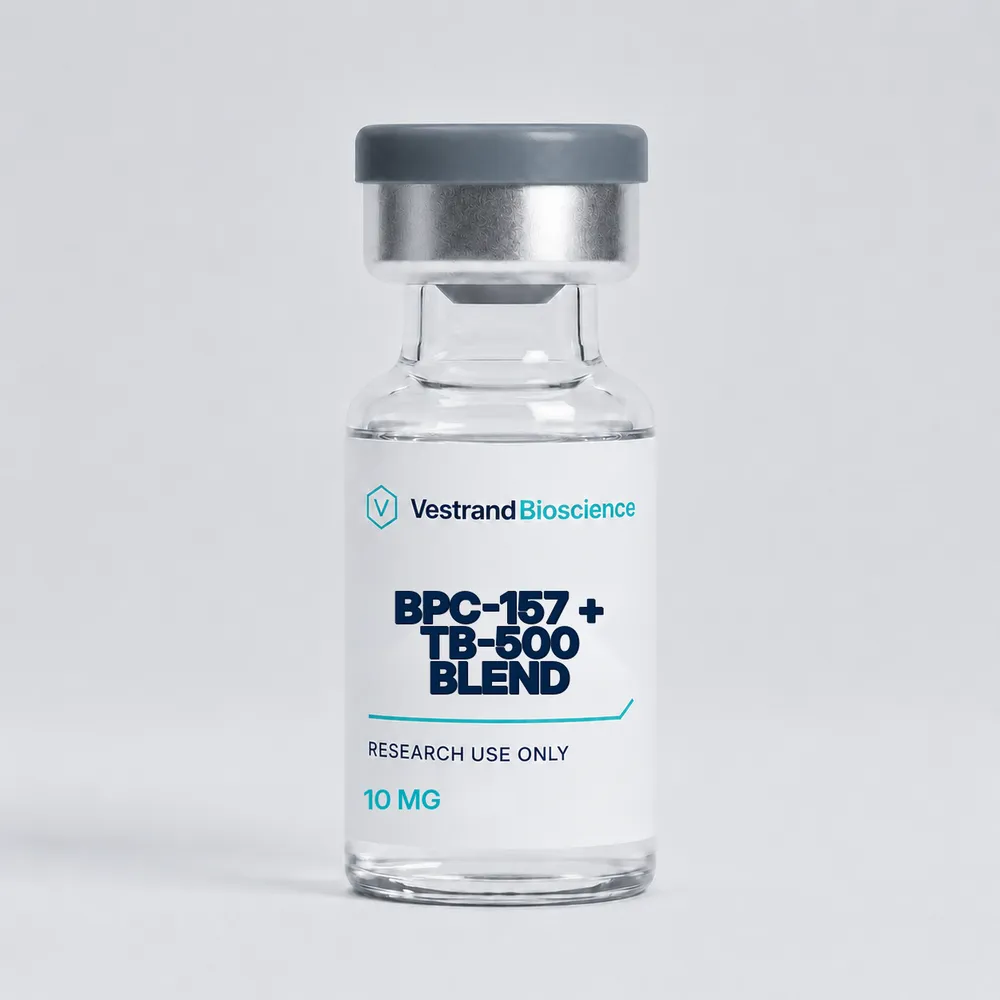
Peptide blend
A blend of two peptides — BPC-157 and TB-500 — supplied together. A mixture, not a single substance, with no identity of its own.

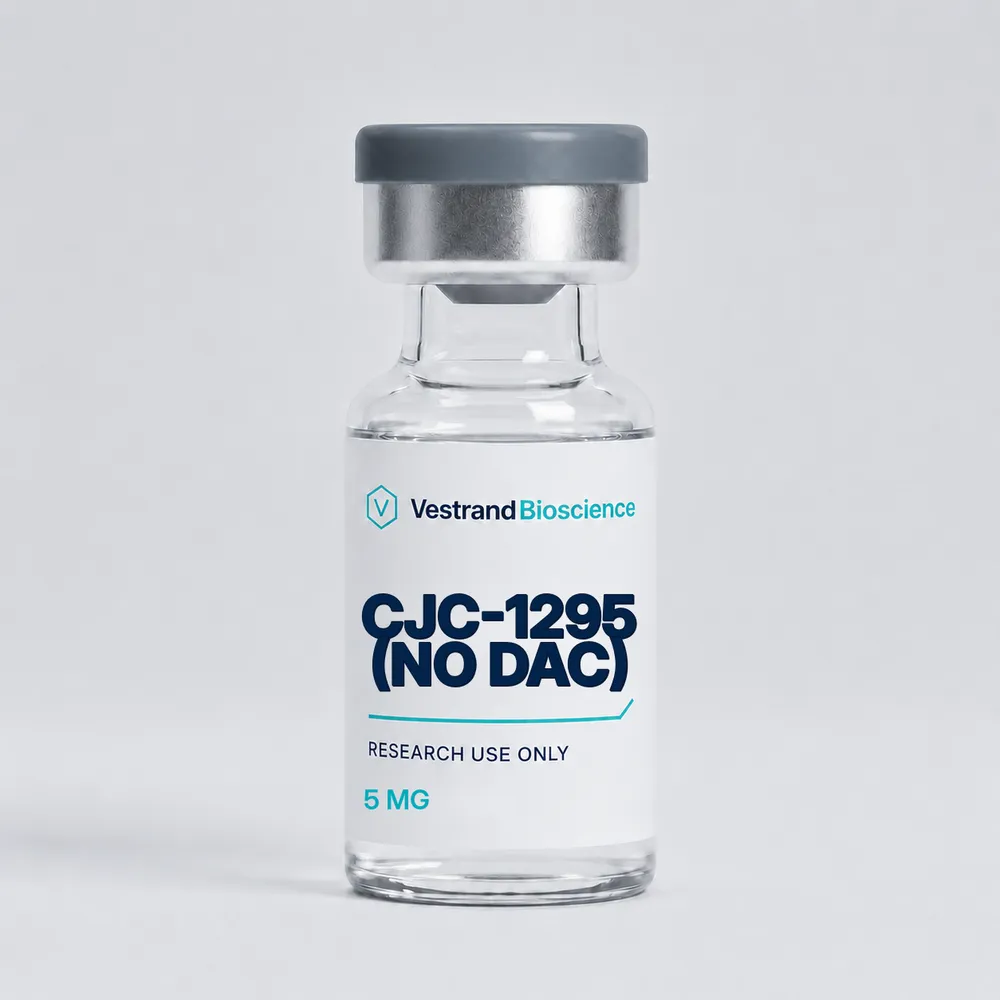
Peptide
A growth-hormone-releasing factor analogue of twenty-nine building blocks, also known as Modified GRF (1-29). Easily confused with the closely related sermorelin.

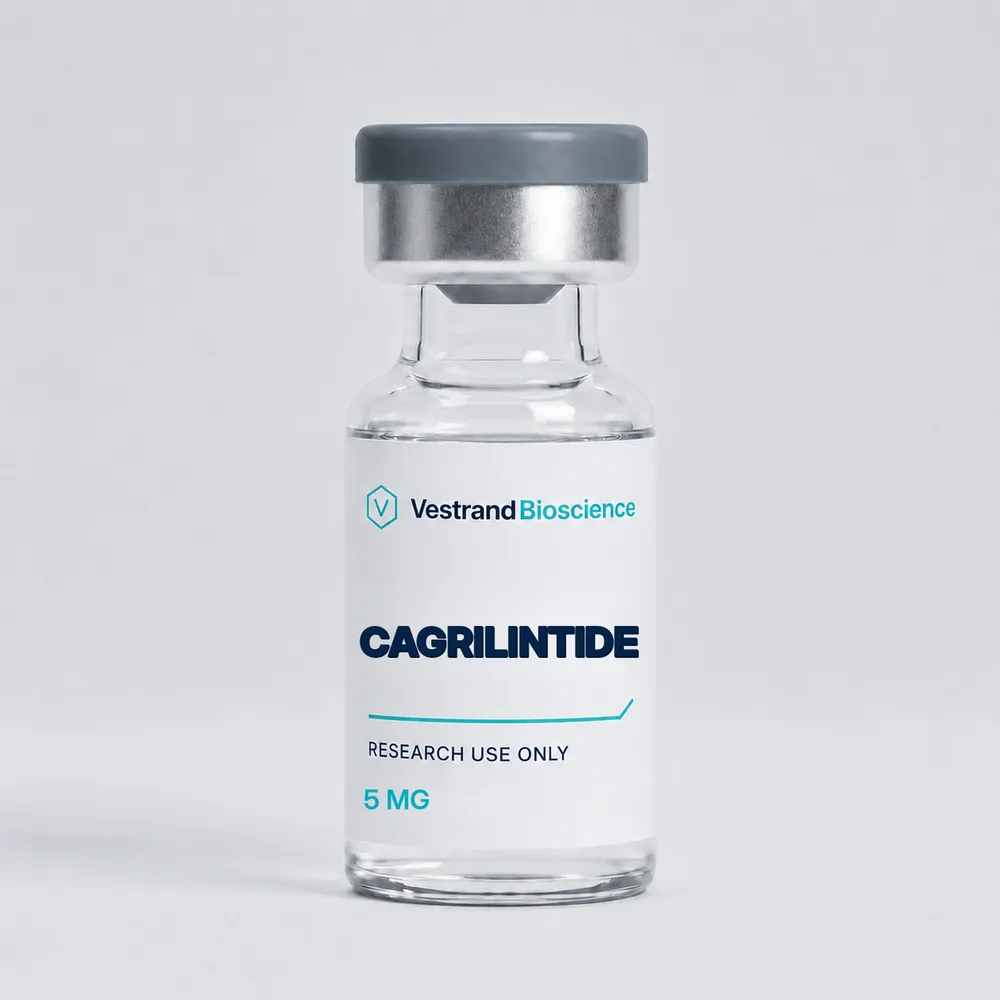
Peptide
A larger peptide of thirty-seven building blocks, in the amylin-analogue class, carrying a fatty-acid tail attached to its chain.

Peptide
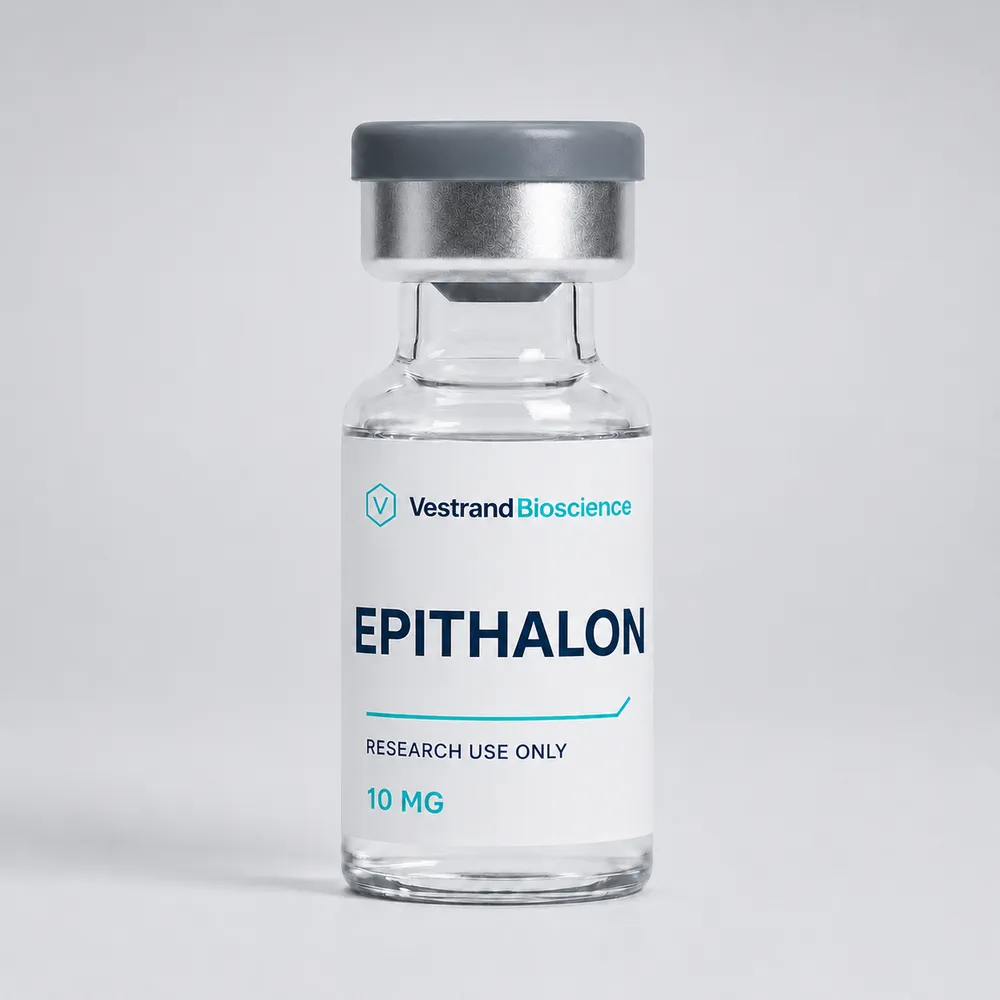
A synthetic tetrapeptide of just four building blocks, as a crystalline solid. Best verified by identity, since its name is shared with a different substance.

Peptide
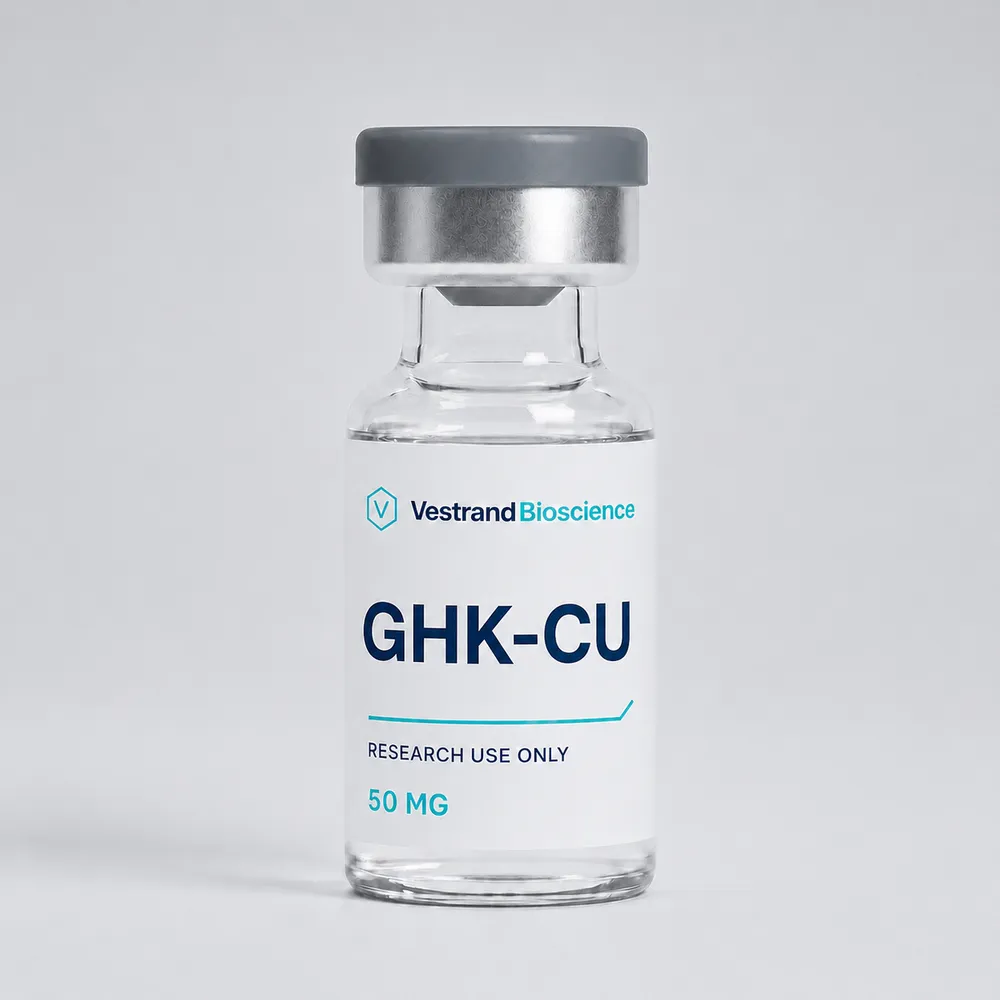
The copper-bound form of the tripeptide GHK: a single copper atom held by a three-building-block peptide, and a familiar small peptide in research.

Peptide
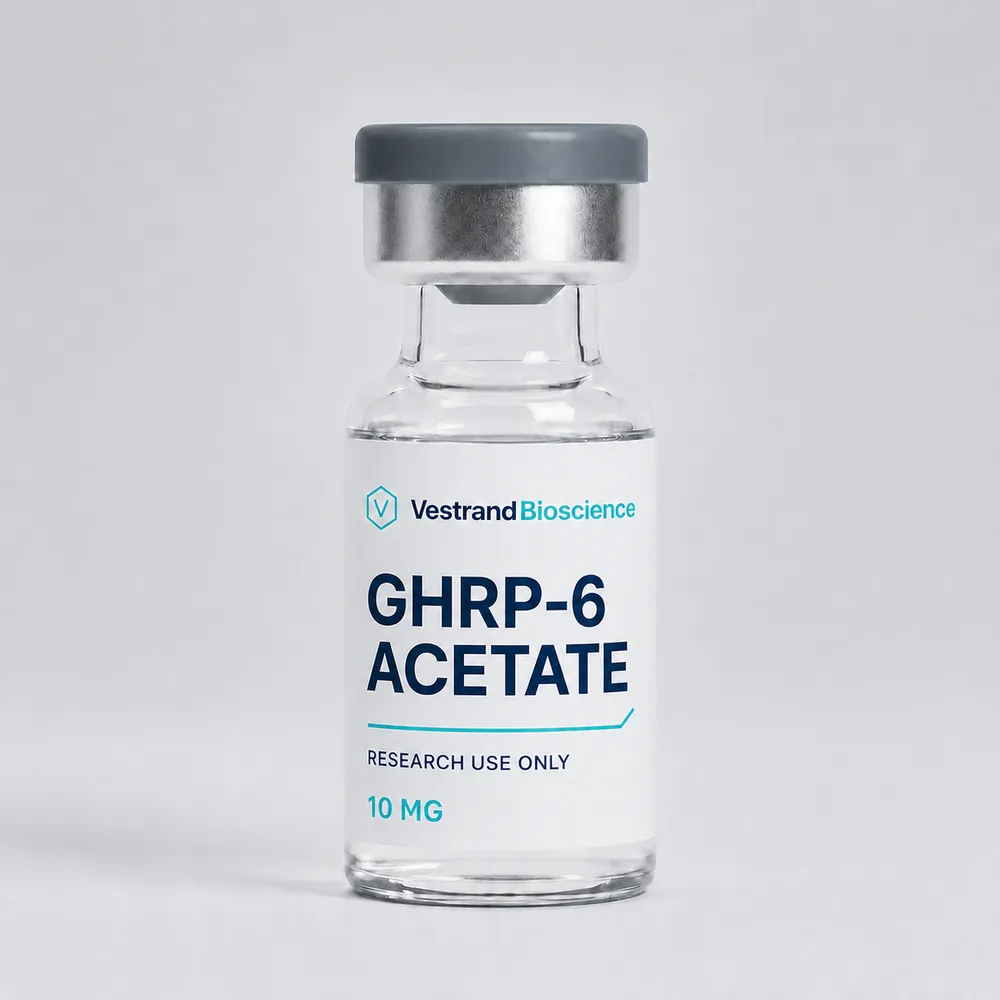
A synthetic six-building-block peptide in the growth-hormone-secretagogue class, and one of a small family of closely related secretagogues in the catalog.

Peptide
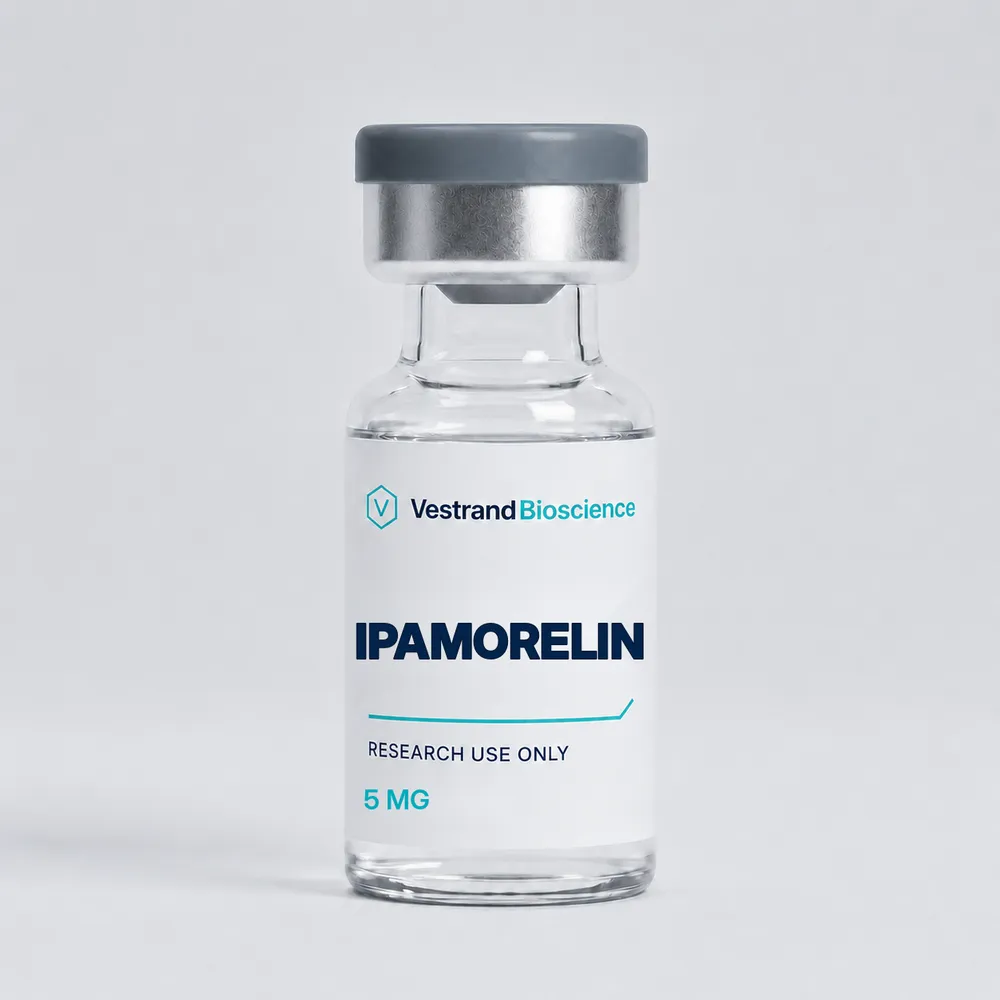
A synthetic five-building-block peptide (a pentapeptide) in the growth-hormone-secretagogue class — smaller than its six-block cousins, and heavily engineered.

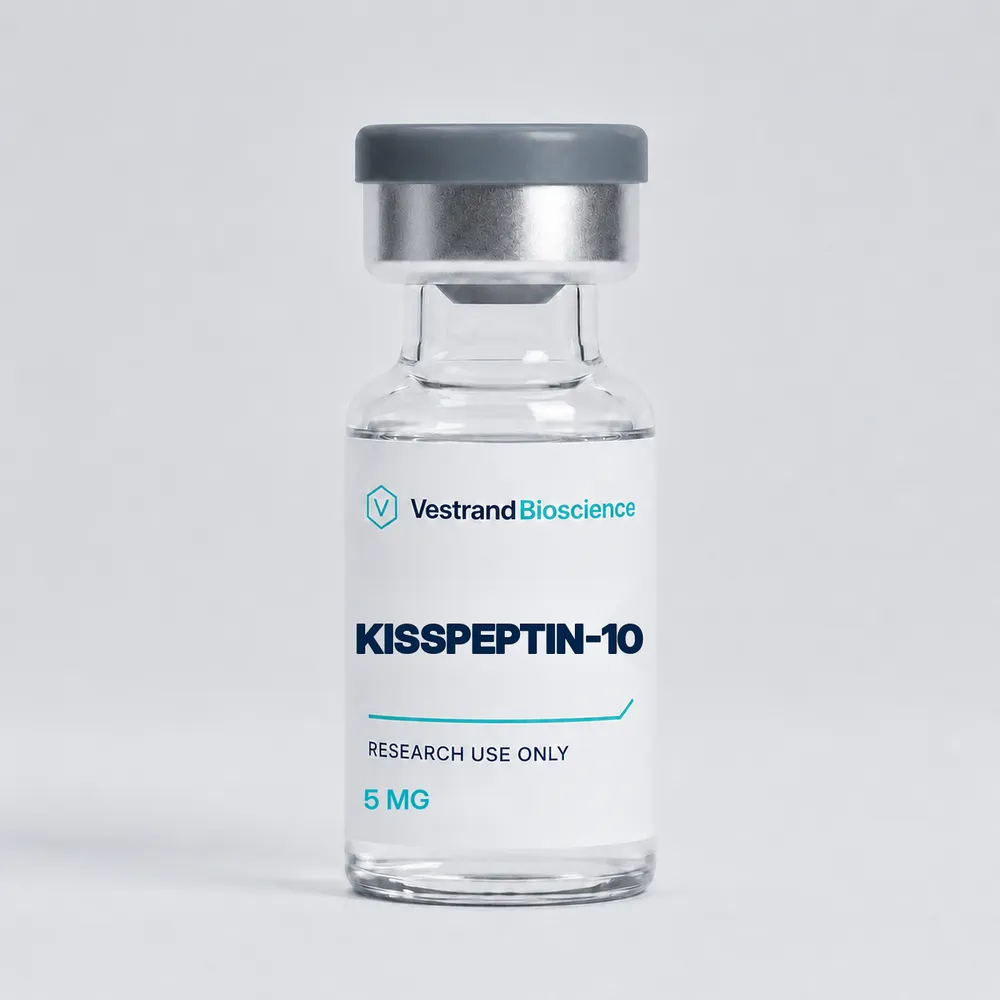
Peptide
A ten-building-block peptide (a decapeptide) — the short active fragment of the larger kisspeptin protein. The '-10' marks its length.

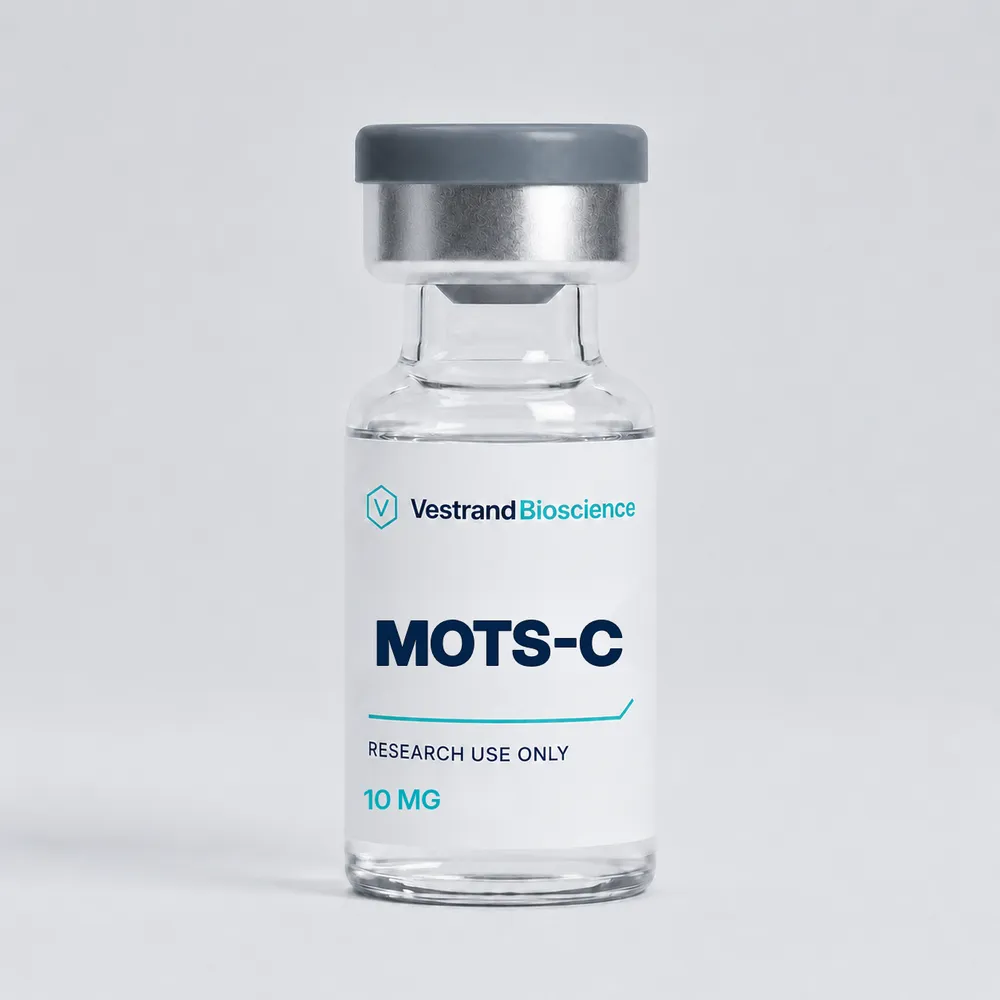
Peptide
A synthetic 16-amino-acid peptide, unusual for being encoded within mitochondrial DNA rather than the nucleus. Supplied as a single-lot reference material.
Batch quality control
A production lot is characterized by an independent contract laboratory across five separate checks — purity is one number among several, not the whole story. When a lot’s third-party results are published, the certificate reports each measurement below against the stated method.
Until a lot’s results publish, its page shows no data currently rather than a specification standing in for a measurement.
Method
Reverse-phase HPLC (RP-HPLC)
Reports the target peptide as a share of total UV-absorbing area — how much of the sample is the intended compound versus related impurities.
Method
Mass spectrometry (ESI-MS / MALDI-TOF)
Confirms the measured molecular mass matches the sequence on the label, so a pure sample is also verifiably the right molecule.
Method
Amino acid analysis
Separates true peptide mass from bound water, salts, and counter-ions, so a stated milligram amount reflects peptide rather than filler.
Method
Membrane filtration (USP <71>)
Screens the lot for viable bacterial and fungal growth — a materials-cleanliness question that purity and identity assays do not answer.
Method
LAL assay (USP <85>)
Quantifies bacterial endotoxin, a heat-stable contaminant reported in EU/mg that neither purity nor identity testing would detect.
These are laboratory characterization methods for research materials. A certificate records what an instrument measured on the tested sample from one lot — not an approval for any particular use.
Verification
Most suppliers make the same three claims — high purity, third-party tested, made in the USA — and none of them can be checked at the moment of purchase. Our position is narrower and checkable: the evidence is named, per-lot, and findable in seconds.
Retrieve the certificate for the exact vial you are holding by entering its lot number. No account, no email gate. Where a lot has no published results, the certificate field shows no data currently — the specification never stands in for a measurement.
How purity reads on this site
The specification is the standing commitment we make; the lot value is a measurement an instrument produced. Shown side by side — never merged, never rounded.
Compounds are grouped by the receptor or pathway they act on — mechanism class, never an intended outcome.

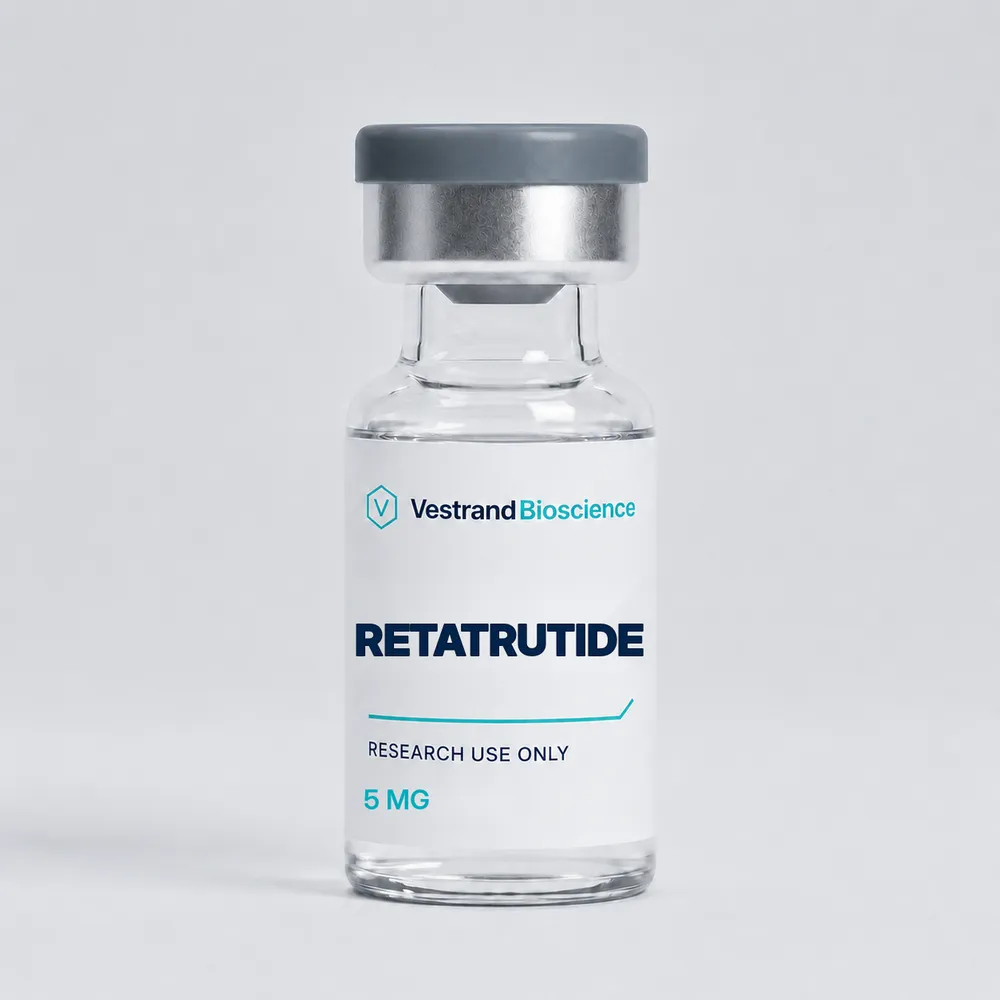
Peptide
A synthetic 39-amino-acid research peptide in the incretin family — one of the newer multi-target compounds. Supplied as a single-lot reference material.

Peptide
A larger peptide of thirty-seven building blocks, in the amylin-analogue class, carrying a fatty-acid tail attached to its chain.

Peptide
A synthetic 16-amino-acid peptide, unusual for being encoded within mitochondrial DNA rather than the nucleus. Supplied as a single-lot reference material.

Peptide
A short synthetic peptide corresponding to a tail-end fragment of human growth hormone, with one extra building block added at the front.
The essentials on documentation, testing, and handling. More detail on the FAQ.
Read the full FAQResearch use only
For laboratory research use only. Not for human or veterinary use.
Browse the catalog, or look up a lot number you already have.